


Design Studio Context
- Aleksandra Szwedo
- Apr 29, 2019
- 2 min read
During my Masters degree I have been a part of the Abstract Machine Studio led by Keith Andrews. Our studio’s ethos focuses around parametric design as well as iterative exploration in the search for an optimal solution. The scales of projects vary from small scale form experimentation such as first year Theoria project exploring the mathematical aspect of architecture by researching themes such as close-packing, ruled surfaces, aggregate structures, etc to larger scale and real life projects such as the Greatham Creek Bird and Seal Hides.
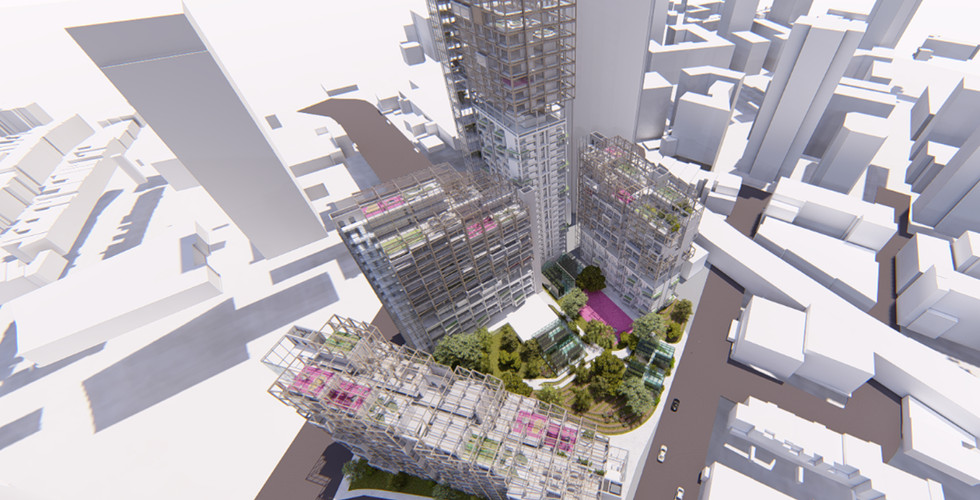
The studio encourages to develop modular systems, referred to as abstract machines, providing machine-like interventions to existing physical and informational eco-scapes of a site. Each projects begins with a diagrammatic representation of the chosen site portraying it as a series of niches where the conceptual machine is allowed to animate those latent potentials. Once the niches have been identified, a kit-of-parts approach is encouraged for the building design to allow for adaptable solutions forever changing and manipulating the environment they occupy.

Apart from studio-based design projects, the students are encouraged to participate in real life small scale undertakings involving meeting clients, presenting individual proposals, budgeting, etc. This allows the students to confront their university projects with the constraints of ‘the real world’. One such example was a design competition for a seal and bird hides near Middlesbrough. The client, RSPB, sought an interesting design alternative to a traditional timber box-like structure that would provide sufficient shelter as well as camouflage for seal and bird watchers observing the nature. Due to a relatively high crime levels in the area the proposal called for providing good views out as well as into the structure to allow surveillance. Each student has been asked to develop a kit-of-parts proposal following provided design brief to be presented formally to the client. A series of meetings allowed to identify both strengths as well as weaknesses of each proposal which offered useful feedback resulting in the final option encompassing the strong points of each individual design. The entire experience has been an interesting juxtaposition between a budget-free, client-less approach of a university project and a constructive criticism-led design process involving a real client supported by other specialists such as engineers, wild-life experts, etc.


Overall, Abstract Machine studio allowed me to develop an interesting approach towards architectural design where the buildings are perceived and designed as component-based living machines that animate the site they occupy rather than remaining static. I believe that the combination of iterative methodology with a kit-of-parts approach and involvement in live projects allowed me to develop my design skills as well as personal confidence as an aspiring architect. In my opinion the studio will provide a solid foundation for my part 2 experience.




Comments